Gallery




Story
The Spirit of Scotland
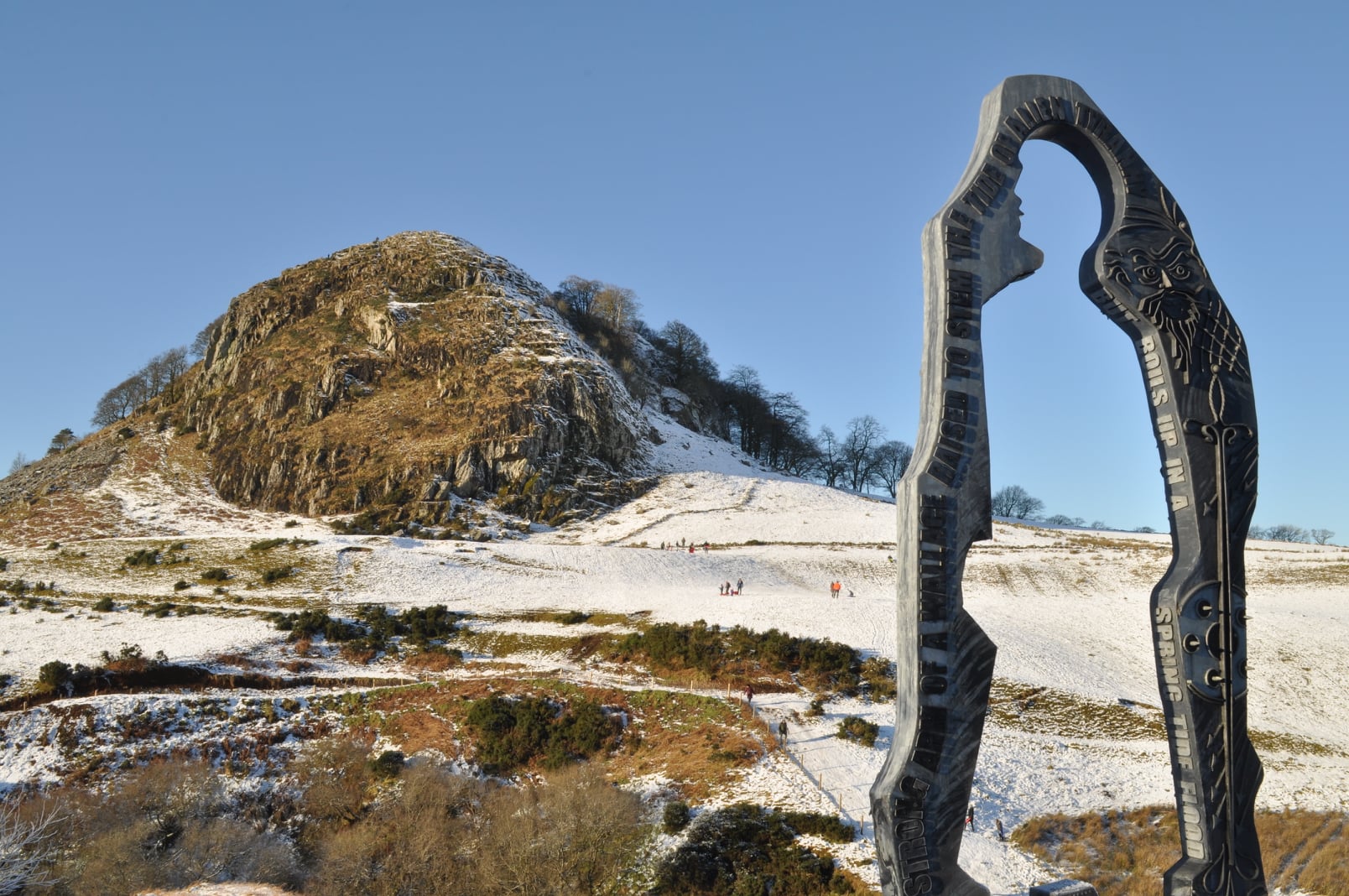
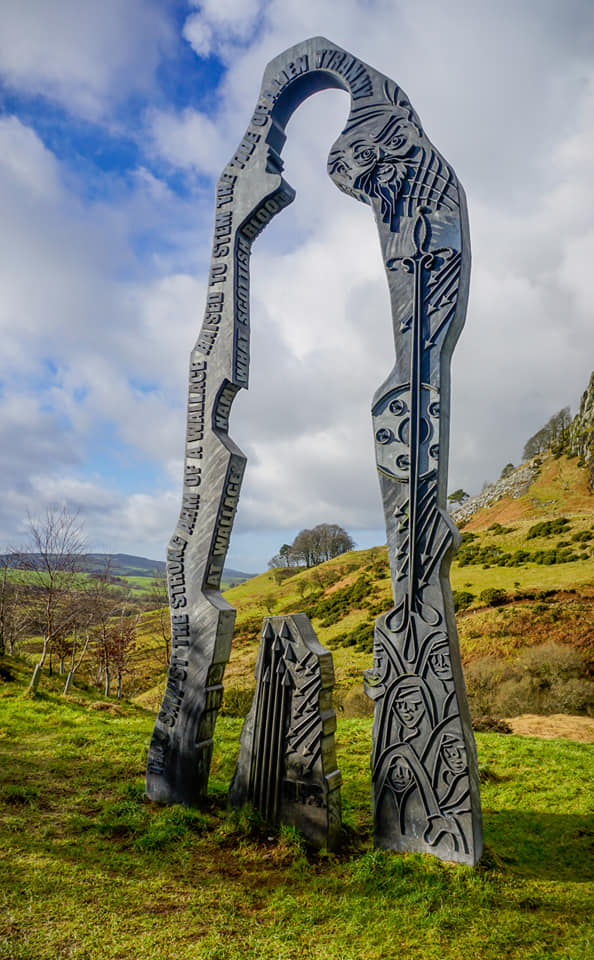
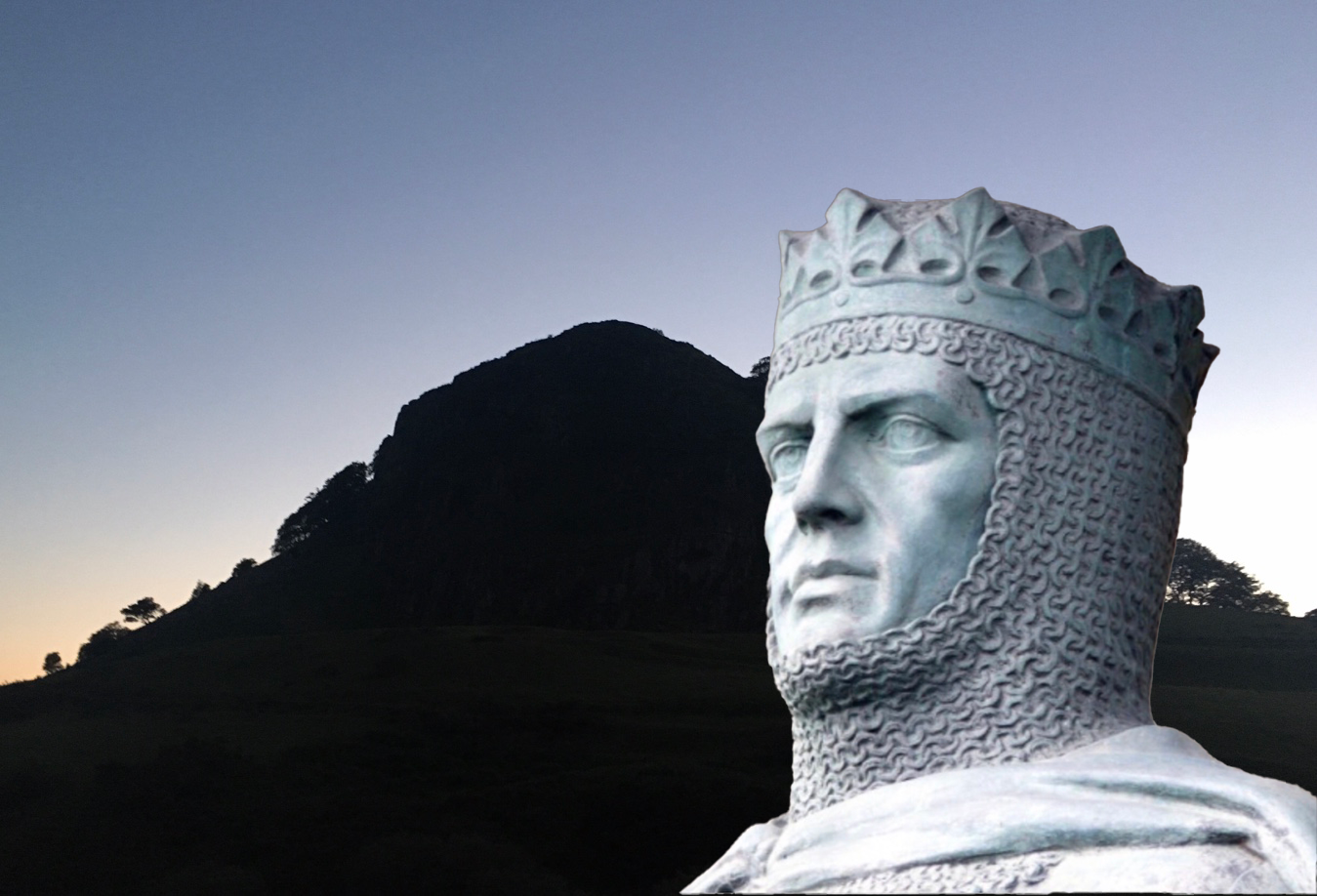
The Spirit of Scotland monument commemorates two pivotal battles fought at or near Loudoun Hill during the Wars of Scottish Independence — one led by William Wallace in 1297, as described in local tradition and Blind Hary’s epic poem The Wallace, and another in 1307, when Robert the Bruce defeated English forces by skilfully using the marshy terrain around the hill to his advantage.
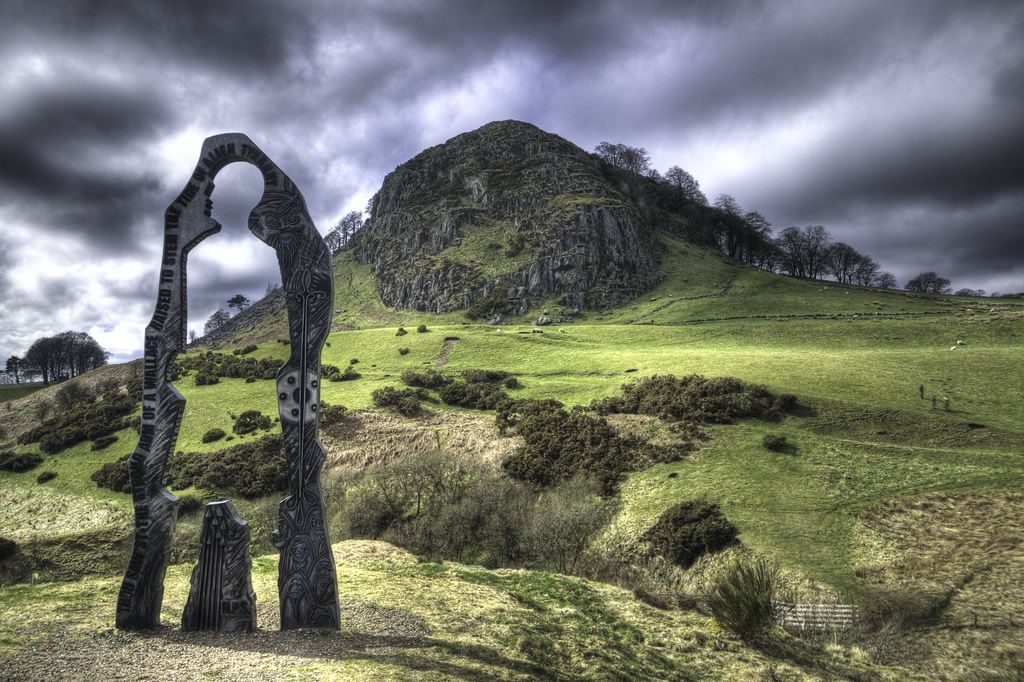
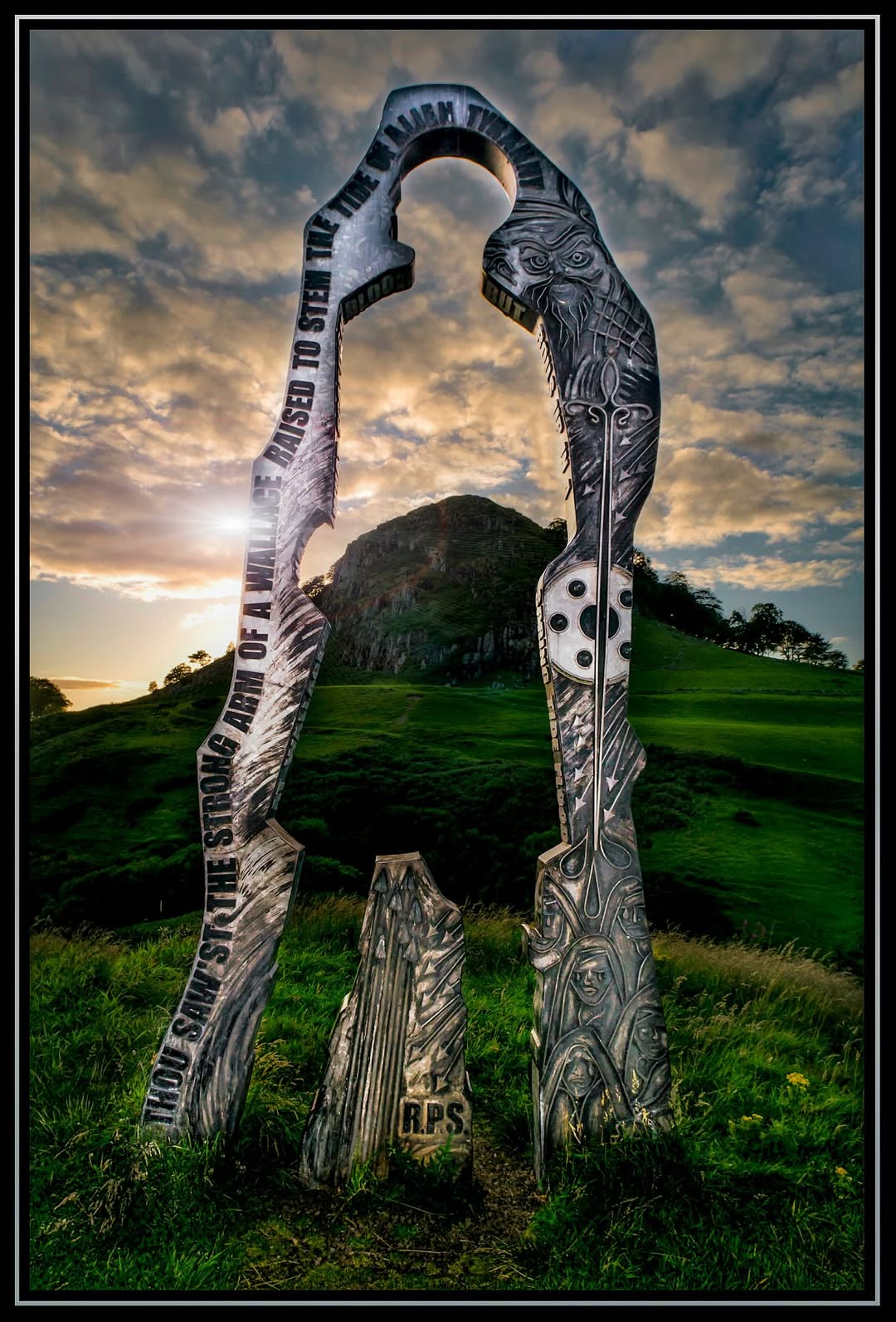
Unveiled in 2004, the sculpture was commissioned by the Irvine Valley Regeneration Partnership and created by local artist Richard Price. Standing over five metres tall, the monument is made of fabricated steel and takes the form of a cut-out human silhouette, framing striking views of Loudoun Hill and the surrounding landscape. The open design symbolically connects Scotland’s past with its present — allowing the land itself to become part of the artwork.
Inscriptions on the structure evoke the spirit of resistance and national pride, referencing both Wallace and Sir Fenwick, an English knight said to have been involved in the death of Wallace’s father.
Among the inscriptions are lines such as:
“Thou saw’st the strong arm of a Wallace raised to stem the tide of alien tyranny”
“The Knight Fenwick … cruel was and keen he had at death of Wallace’s father been”
On the inner arch: “At Wallace nam what Scottish blood but boils up in a spring tide flood”
Several of these lines derive from Blind Hary’s 15th-century poem The Wallace and other historical or literary sources.
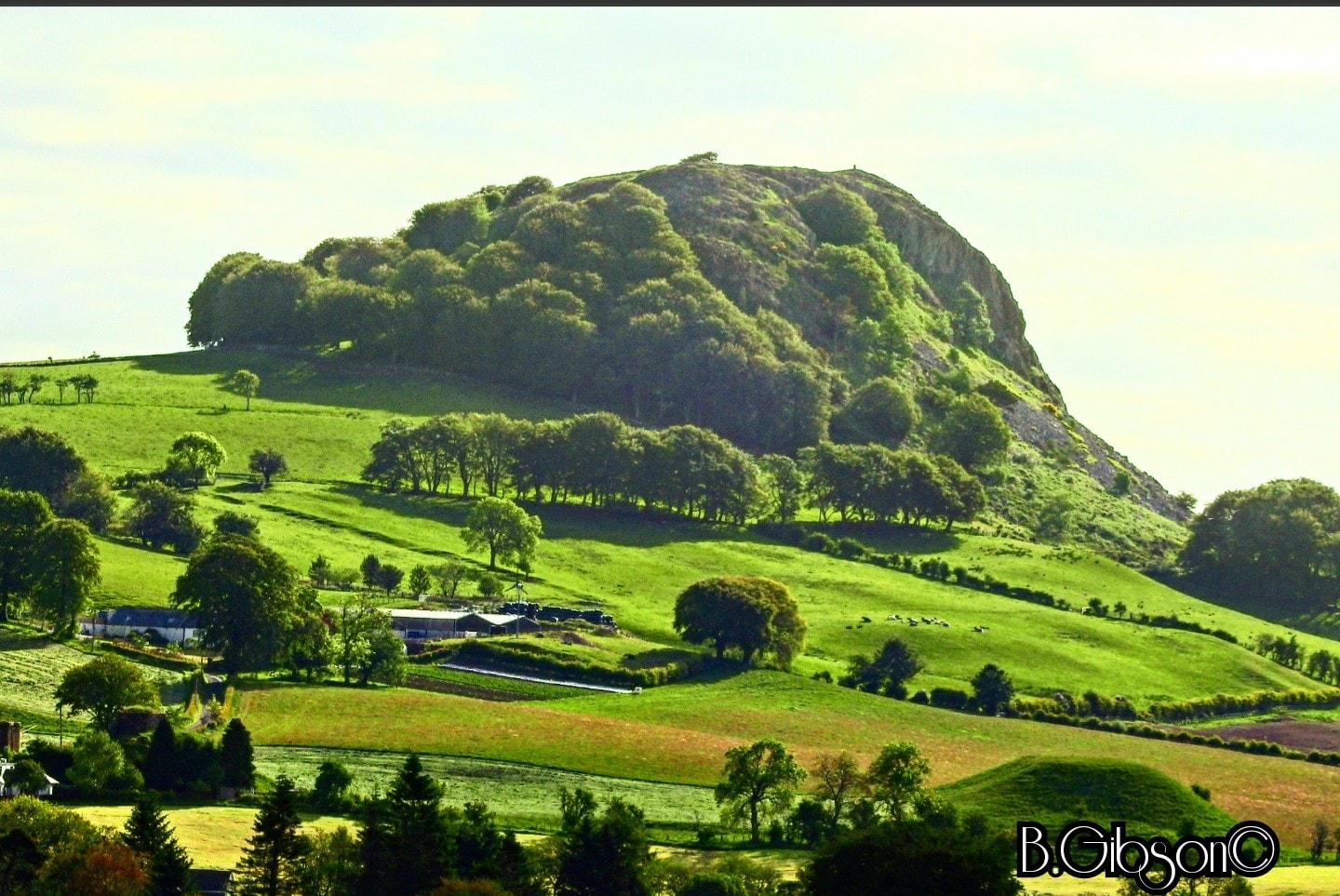
Loudoun Hill: A Landscape Shaped by Fire and Ice
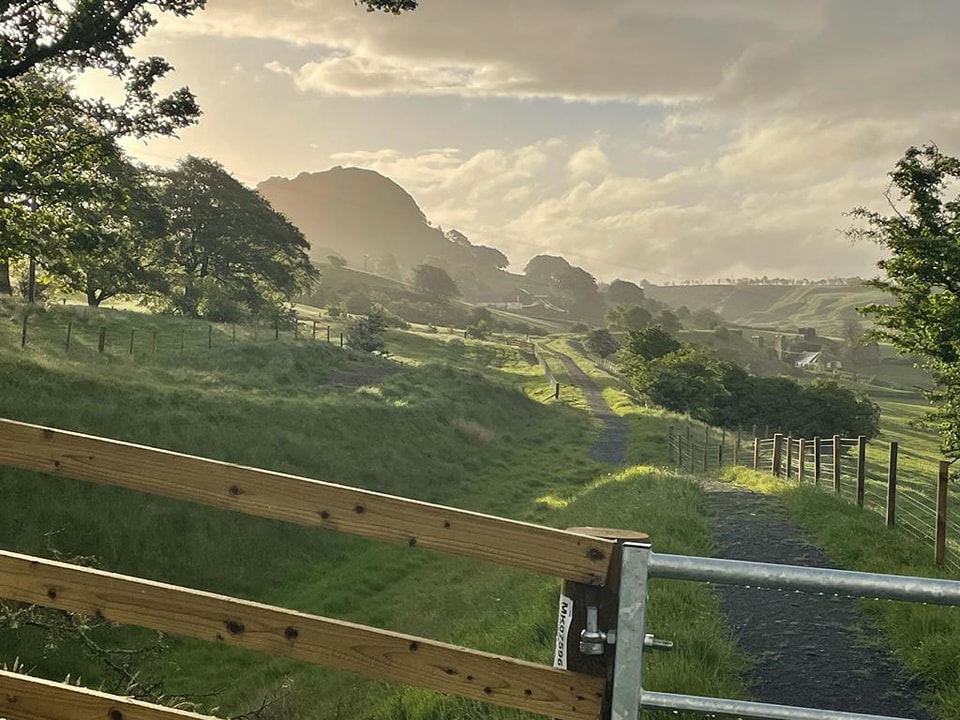
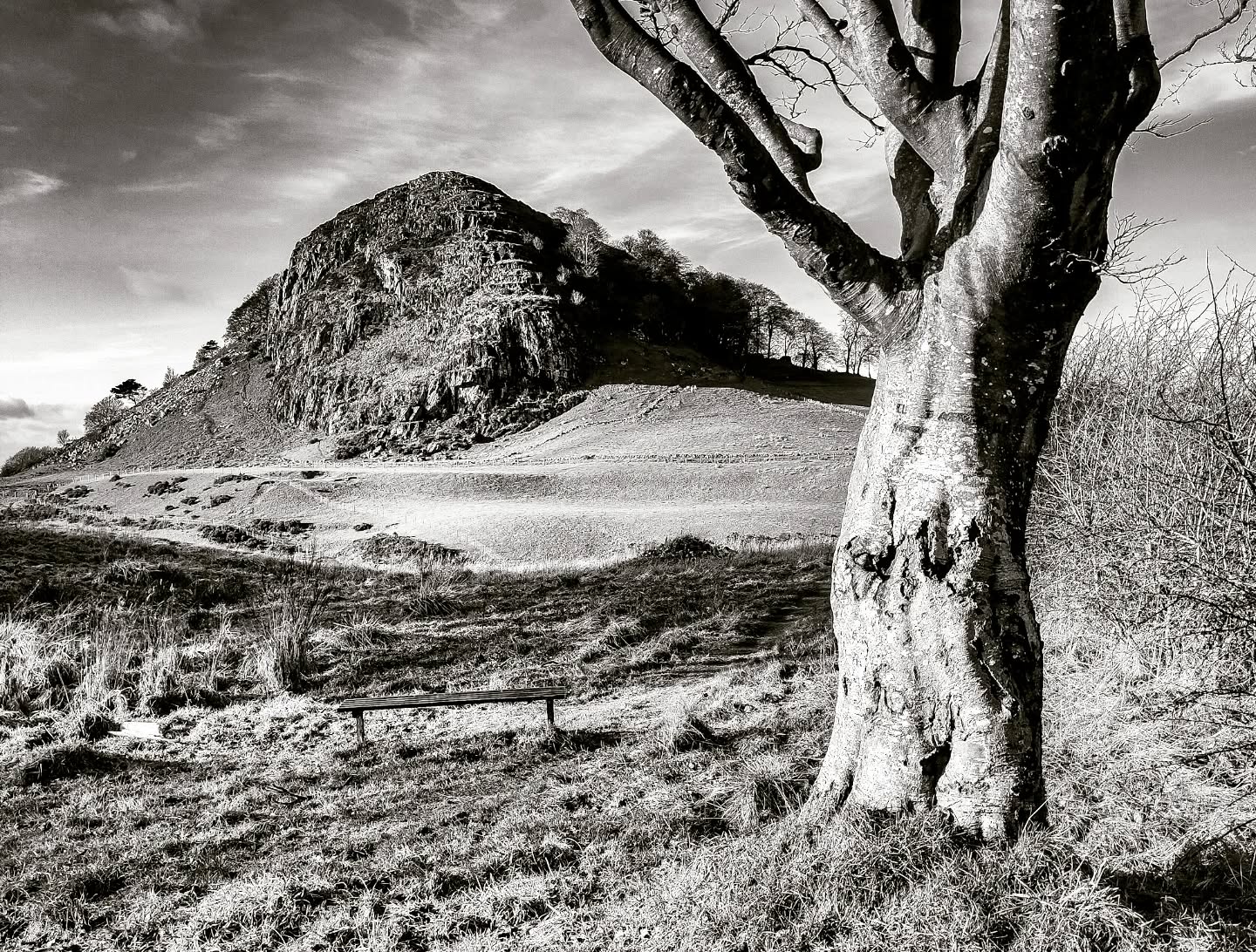
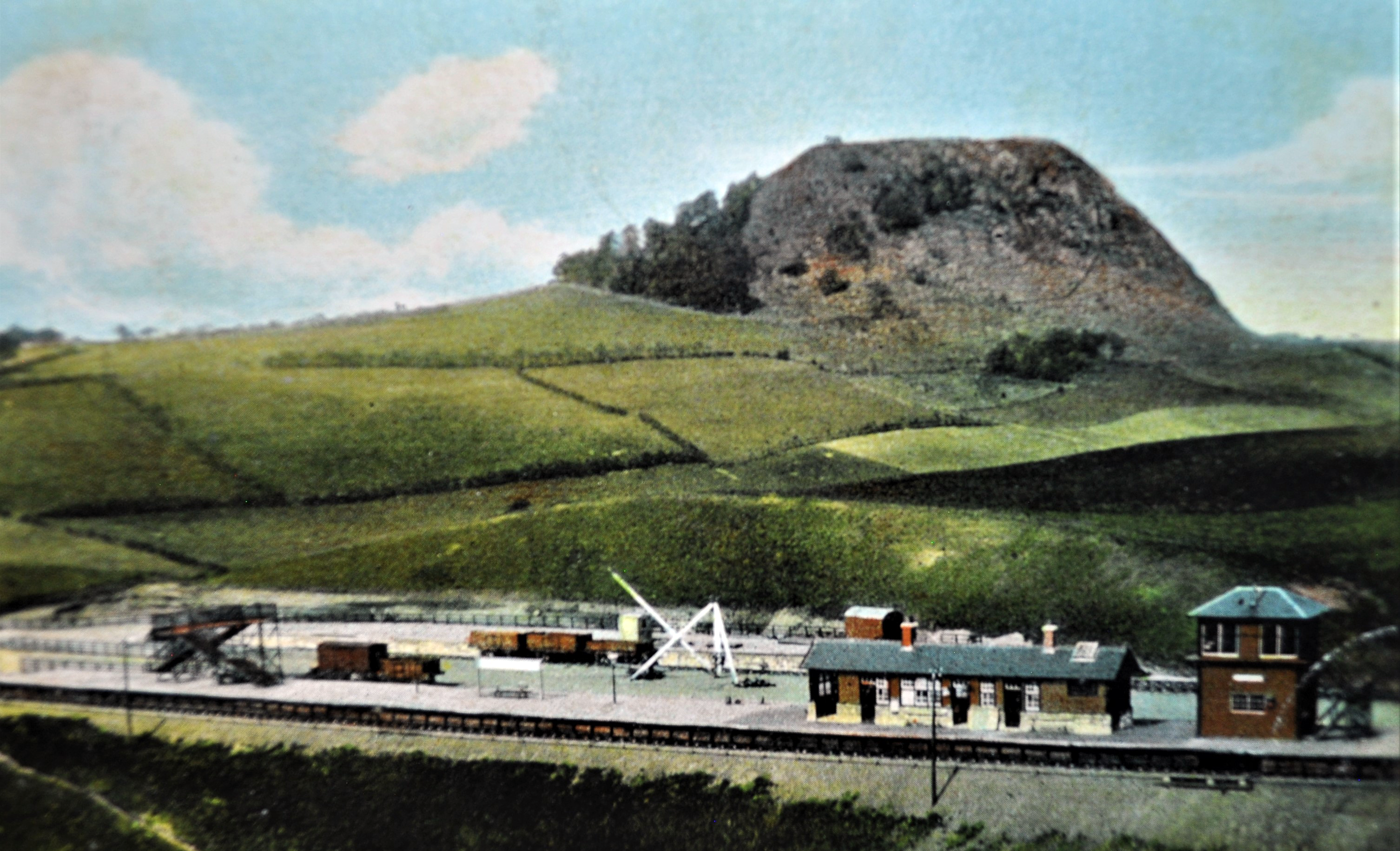
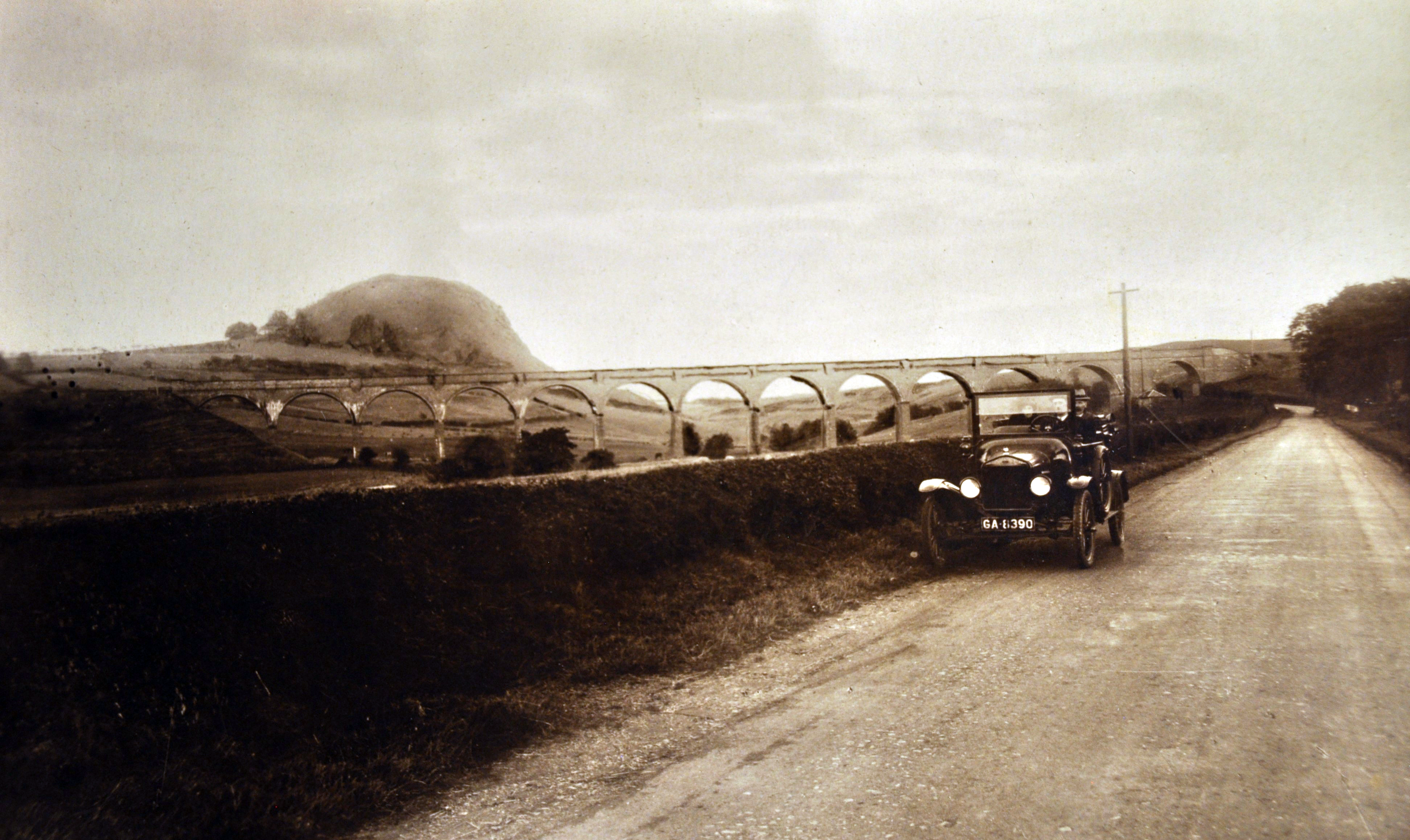
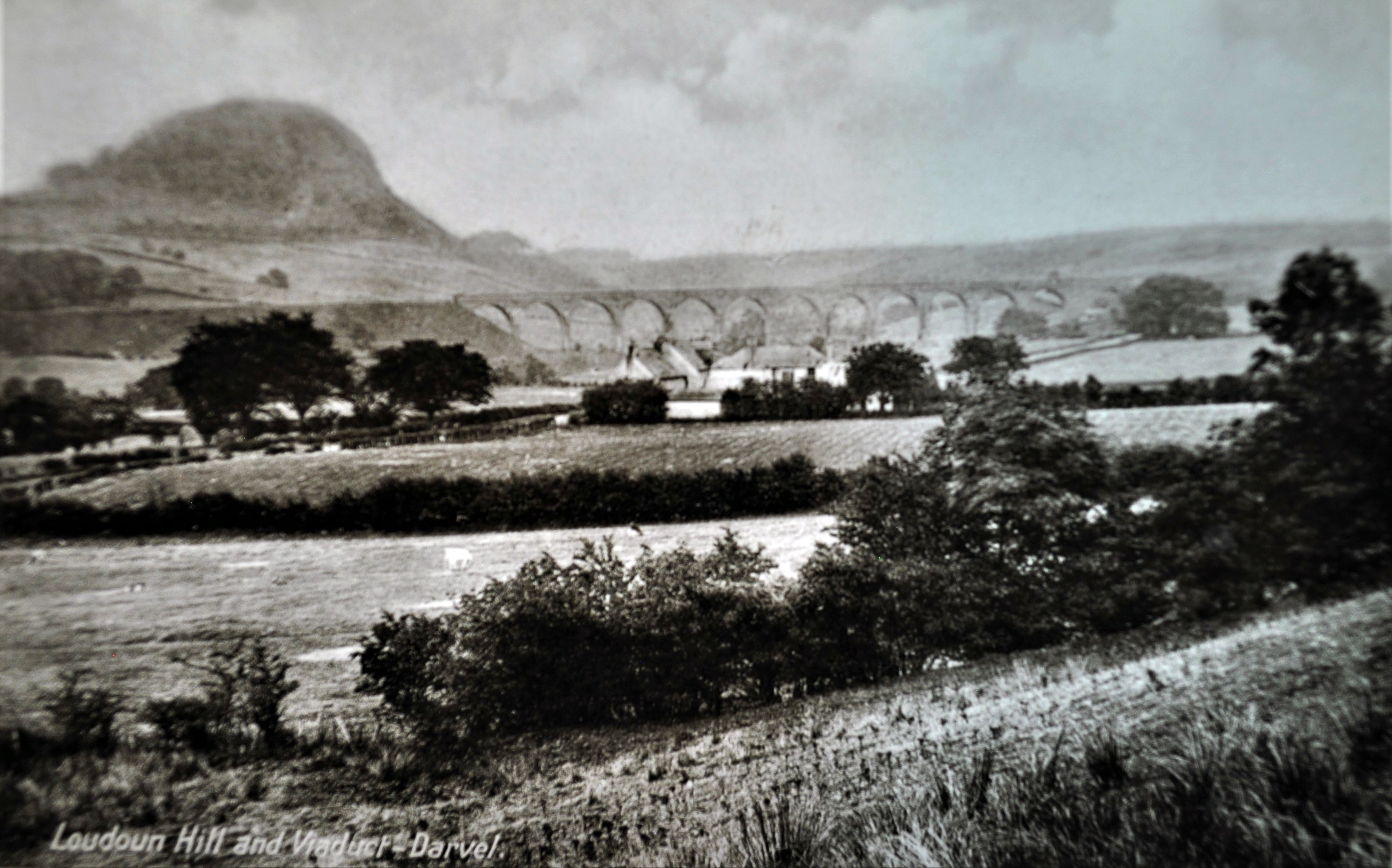
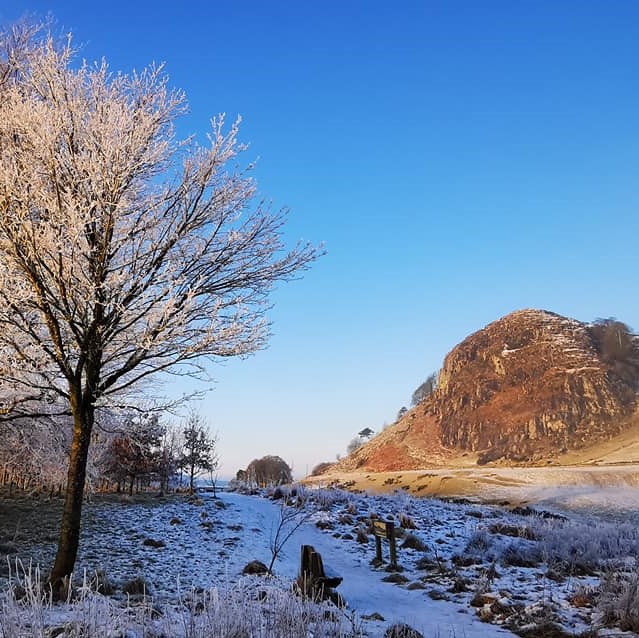
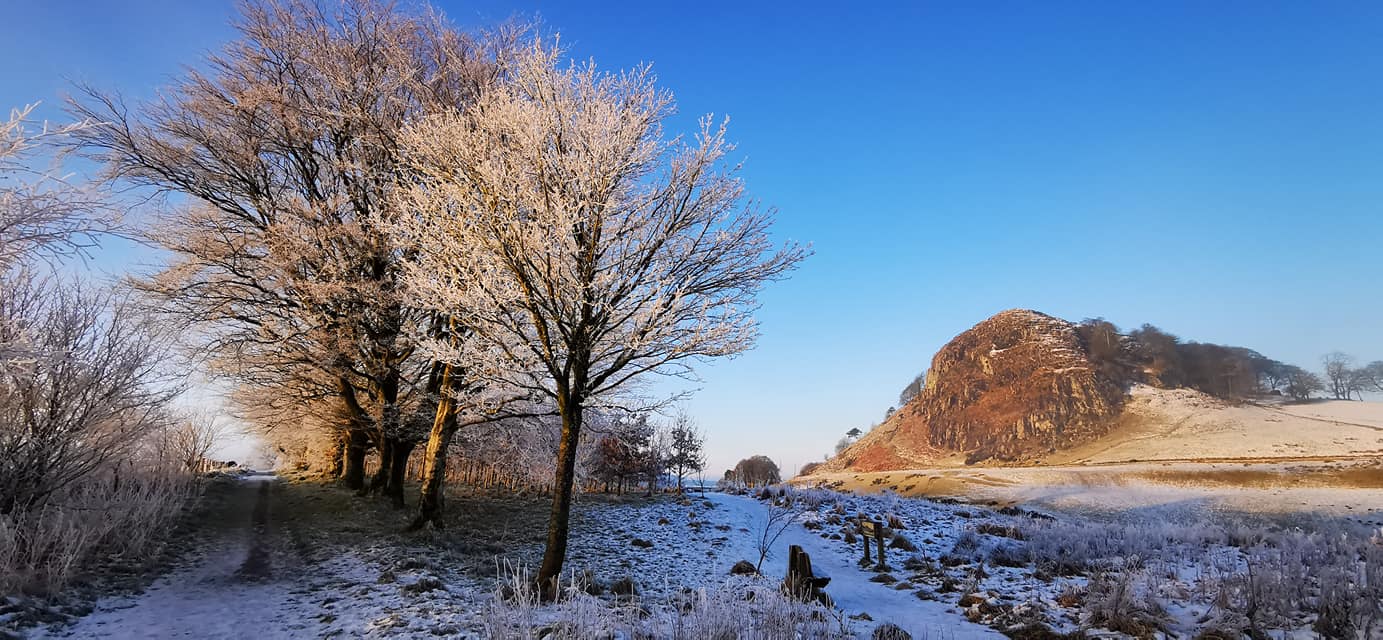
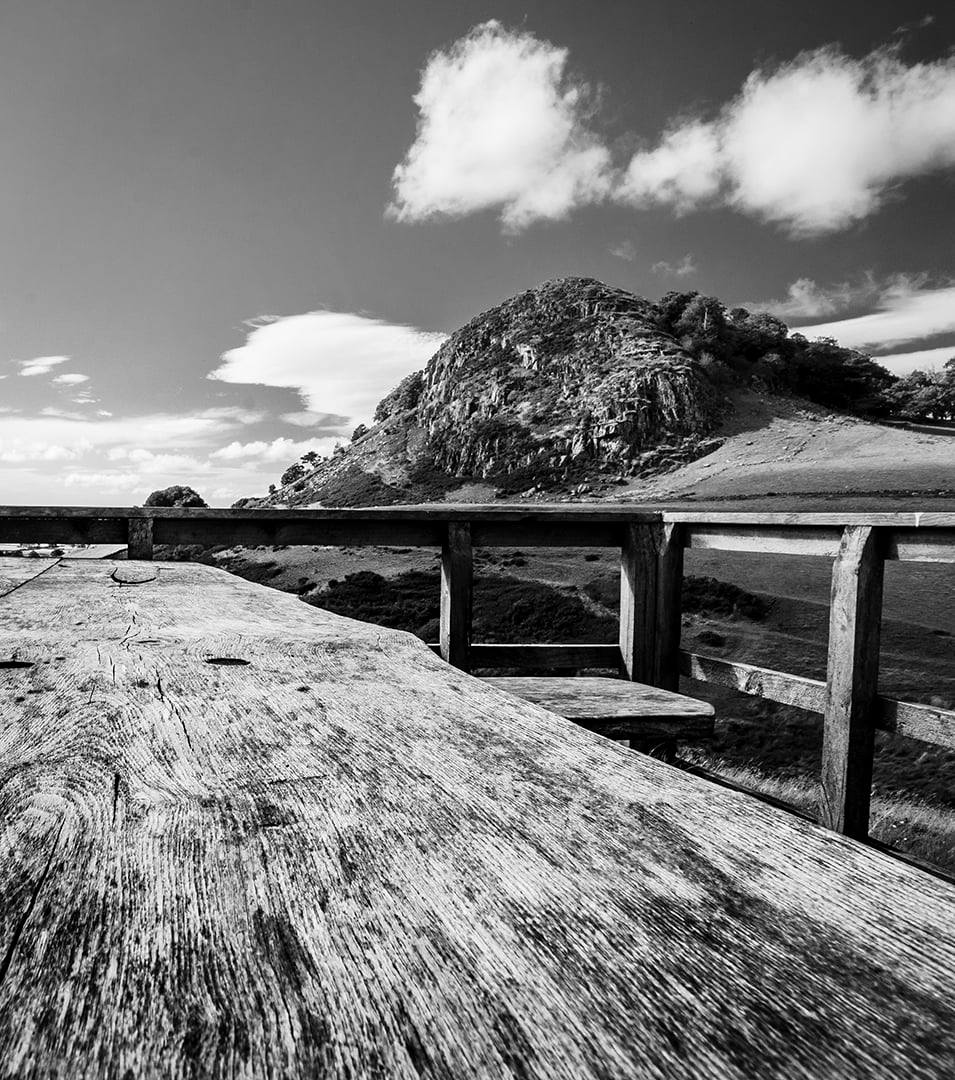
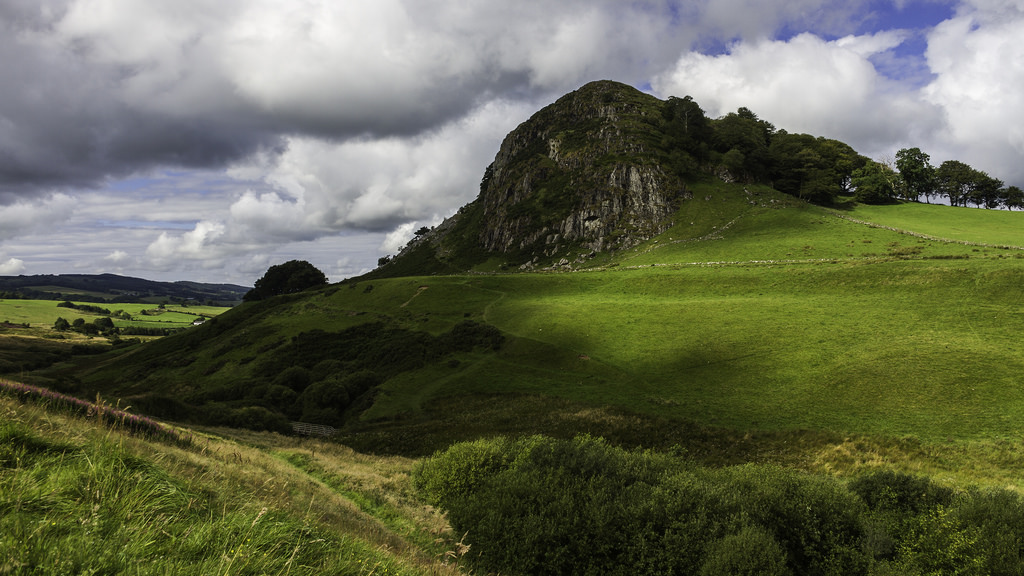
Loudoun Hill’s dramatic profile tells a story far older than the battles fought upon it. The hill is a volcanic plug — the solidified core of an ancient volcano — and one of around twenty that were active in this region between 340 and 250 million years ago. During the last Ice Age, glaciers carved the surrounding Irvine Valley, leaving Loudoun Hill standing proud, its harder volcanic rock resisting erosion where softer stone was swept away.
Traces of this fiery past remain: agates found on the summit bear witness to the molten forces that once shaped the land. Today, the hill represents both Scotland’s deep geological history and its strategic importance across centuries of human conflict and settlement.
A Living Symbol
The Spirit of Scotland stands as a sentinel at the foot of Loudoun Hill — a visual guardian overlooking a place of struggle, resilience, and enduring national identity. It invites reflection on heritage, landscape, and the persistence of memory, reminding visitors that Scotland’s spirit is as enduring as the rock from which Loudoun Hill itself is formed.

© 2025 Darvel & Area Regeneration Team (DART). All rights reserved.
Darvel & Area Regeneration Team is a registered Scottish Charity (SCIO) No. SC050479.