Lanfine Estate
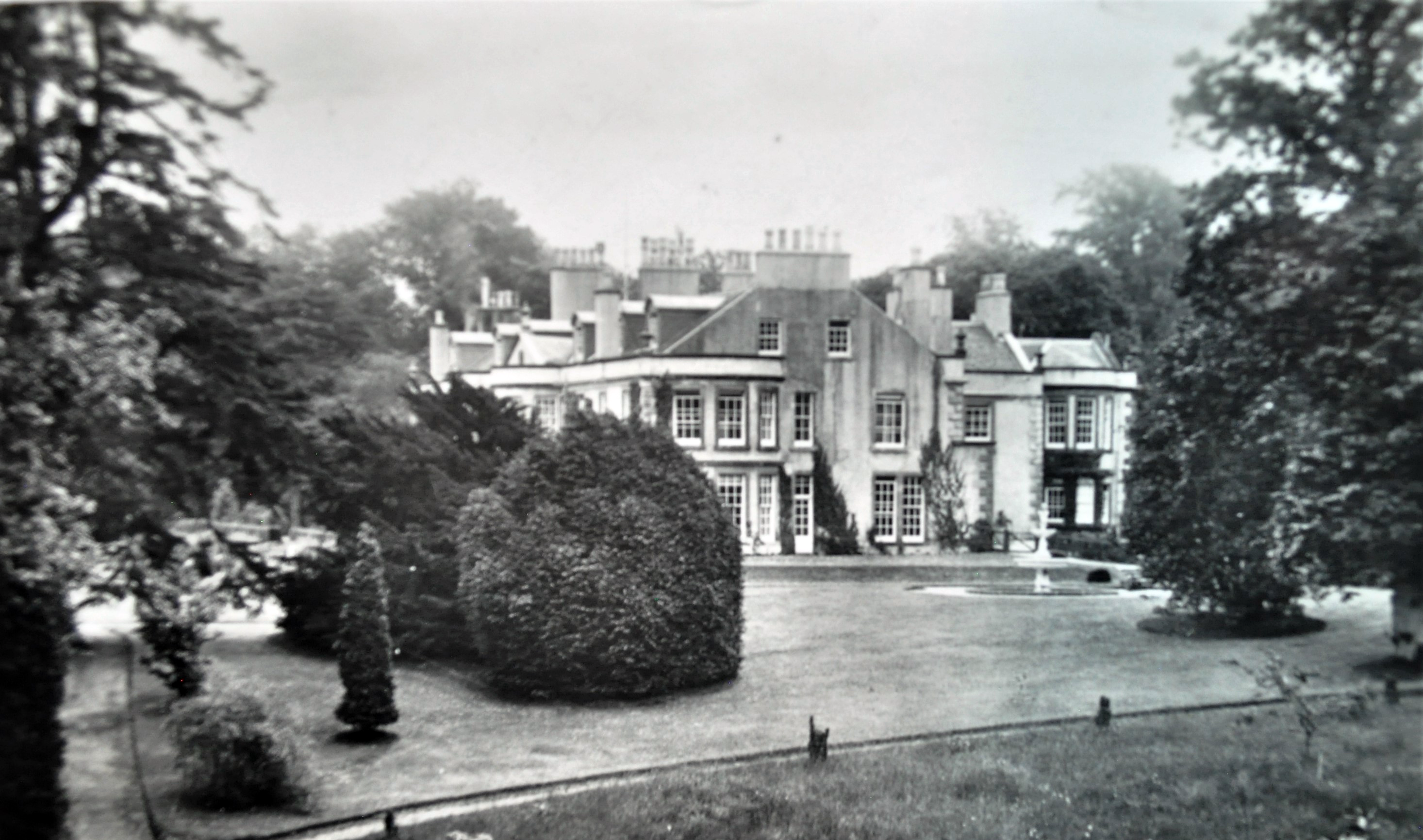
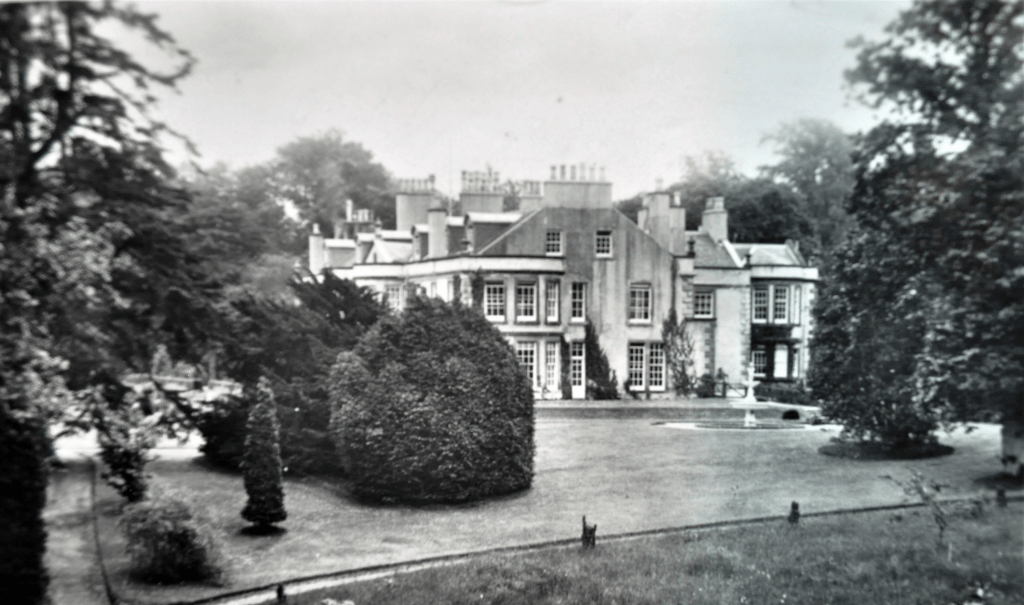
Lanfine Estate, located between Darvel and Newmilns, was established in the late 18th century by John Brown, a textile manufacturer who built Lanfine House in 1772. His son Nicol expanded the estate and planted Lanfine Woods, while their relative Dr Thomas Brown — a noted botanist — transformed it into a centre of scientific and horticultural interest, creating the famous “Lanfine Collection.” The estate grew to over 10,000 acres, later passing through several owners including the Cayzer family in the early 20th century. Today, Lanfine remains privately owned, with its historic house, walled garden and wooded paths still shaping the landscape around Darvel.
LOCATING TIP
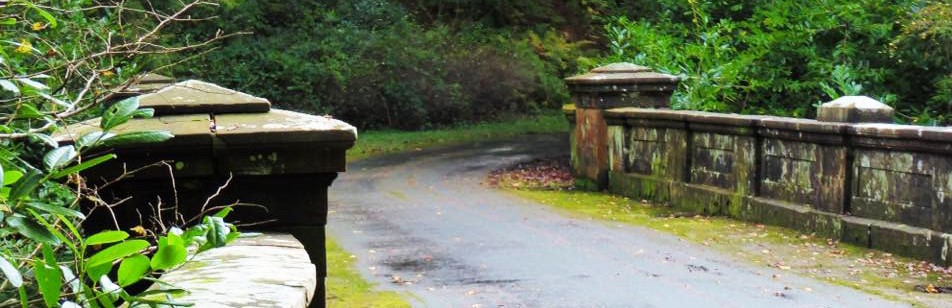
The main entrance to Lanfine Estate from Darvel is from Ranoldcoup Bridge at the southside of Ranoldcoup Road. There are estate gates closer to Newmilns and to the south of the estate near the three cottages.
THE STORY
Origins & Early Growth
-
The estate’s modern story begins when John Brown acquired about 400 acres in 1769 (from the Cessnock estate) and built Lanfine House, completed in 1772.
-
John Brown was a textile manufacturer and banker; he also bought Waterhaughs, a property from his maternal grandfather, which expanded his holdings.
-
On his death in 1802, his son Nicol Brown inherited. Around 1811 he began planting Lanfine Woods.
Thomas Brown & Botanical Development
-
After Nicol’s death in 1829, the estate passed to his cousin Thomas Brown (a physician, botanist, and later Professor of Botany at Glasgow).
-
Thomas Brown introduced many exotic trees and shrubs, expanded woodlands, and used greenhouses and the walled garden to cultivate less hardy species.
-
His scientific collections (minerals, fossils, etc.) became the Lanfine Collection, portions of which went to the Universities of Glasgow and Edinburgh.
Expansion & Later Ownings
-
Over the 19th century, Lanfine grew from the original 400 acres to over 10,000 acres.
-
Architecturally, the house was extended: the Georgian core was augmented with wings (about 1860), bow windows circa 1912, and further additions in 1919–21.
-
Ownership changes:
• After the Browns, Thomas McKinnon bought the estate in 1902 but was bankrupted in 1910.
• In 1911, Sir Charles Cayzer bought it for his son, Lord Rotherwick.
• The Cayzer / Rotherwick family held it until 1967.
• After that, it passed through corporate and private hands (Eagle Star’s holding company, then Lord Rotherwick again, then “Mrs Holt / Lanford Lodge Holdings”).
Features & Present Day
-
The walled garden was likely constructed around the time Cayzer/Rotherwick acquired the property (c. 1911).
-
The estate contains several architectural features: gate lodges, screen walls and gates, a dovecot (cylindrical, with conical roof), and a single-arch bridge over Newlands Glen (dated 1828).
-
As of today, Lanfine House remains a private residence (not open to the public).
-
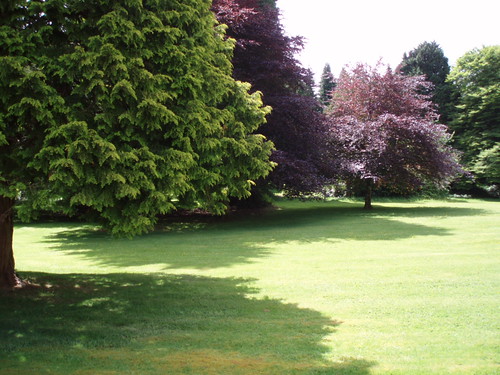
The grounds still contain mature woodlands, a walled garden (in poor condition in parts), and walking paths through the estate, including the scenic “Brown’s Road” riverside walk between Newmilns and Darvel